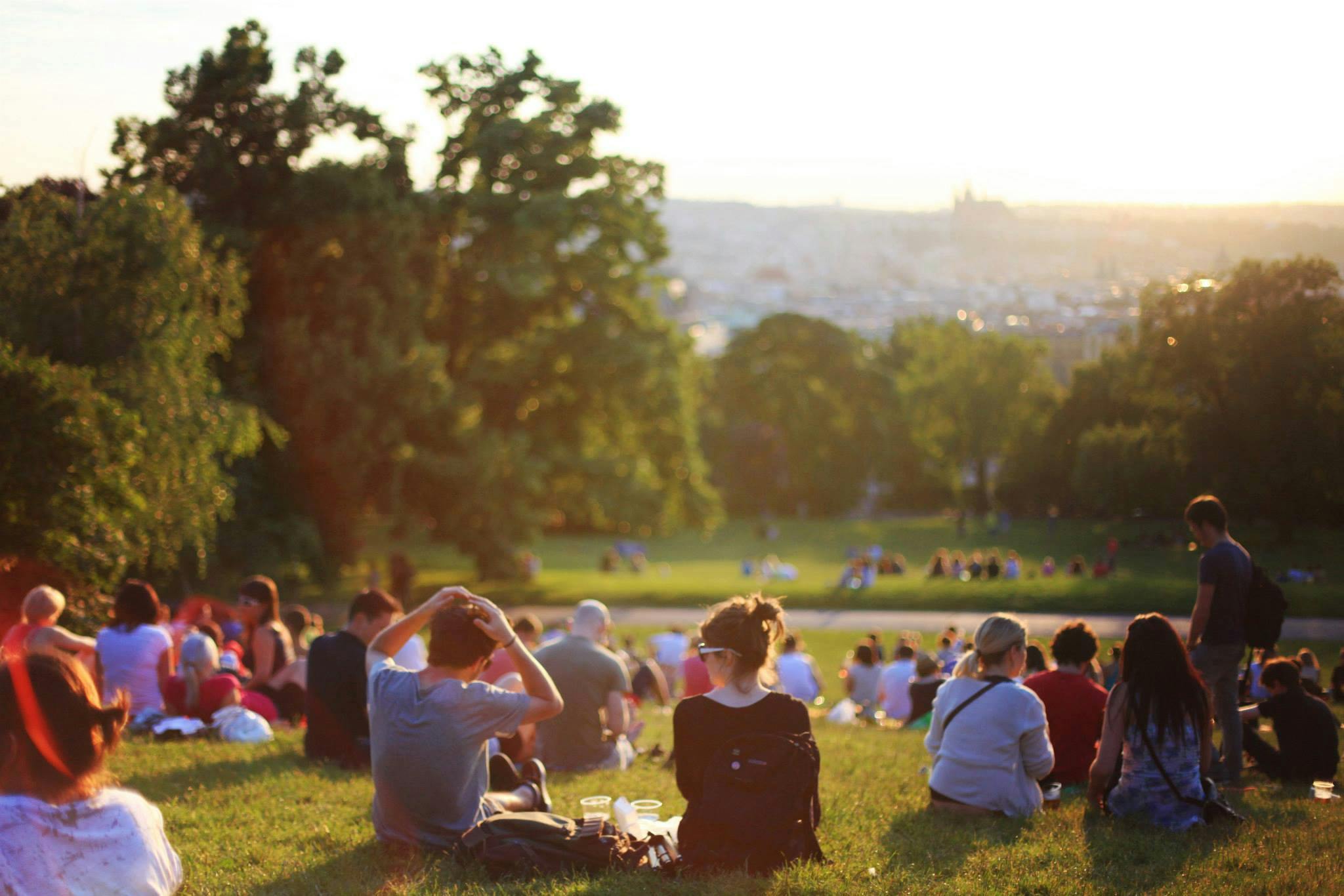
We live in an age of digital hyperconnection and growing real loneliness. We are connected around the clock with thousands of people — and at the same time lonelier than ever. How do you rebuild a sense of belonging in a neighbourhood, a group, a city?
It is not a rhetorical question. It is one of the most urgent issues of our time.
"Community is not a place. It is a quality of the time we spend together. It is the willingness to be seen — and to truly see."
Loneliness as a silent epidemic
The World Health Organization has declared loneliness a global public health priority. In Europe, around 25% of adults say they feel significantly lonely. In Italy the figures are no better.
But the loneliness we are talking about is not only that of people who live physically isolated. It is the loneliness you feel among other people. In residents' meetings where nobody looks anyone in the eye. In group chats that replace real conversations. In cities where people live side by side for years without learning each other's names.
This form of loneliness — relational loneliness — is the hardest to see and to tackle. And it is the one with the deepest consequences for mental health, social cohesion and our collective ability to face crises.
What tears the community fabric
The relational fabric of a place, a neighbourhood or an organisation doesn't tear overnight. It wears away slowly, through abrasion. There are some recurring factors:
- The accelerating pace of life, which leaves less and less time for "useless" relationships — the ones without a specific goal, the ones that exist just to be together
- The digital mediation of relationships, which increases the quantity of contacts but reduces their depth
- The culture of the autonomous, self-sufficient individual, which associates the need to belong with weakness
- The disappearance of informal meeting places: squares, clubs, parish halls, markets — places where people come together without a predefined purpose
What "building community" really means
Building community does not mean organising events. It is not a matter of programmes, platforms or numbers of participants.
Building community means creating the conditions for people to feel seen, recognised, useful. It means building spaces where it is possible to be vulnerable without risking judgement. It means slowing down enough to let the other person emerge — in all their complexity, not just in their role.
It takes time. It takes intention. It takes a certain tolerance for relational messiness — because real people are more complex than social media profiles.
Community processes as a methodology
EI YOU! works with communities and places through what we call community processes: facilitated paths of encounter and co-design, rooted in places and in the stories of the people who live there.
We don't walk into a neighbourhood with a ready-made solution. We walk in with questions. We listen. We create spaces where people can tell their stories, compare views and imagine together.
How it works in practice
- Collective listening sessions — structured moments in which local voices emerge without being filtered by those who "already know the answers"
- Participatory labs — practical gatherings in which people experience co-creation: building something together, and in building it, learning to be together
- Visioning processes — moments in which the community imagines its own future and starts co-designing how to get there
The thread running through all of this is always the same: creating the conditions for real contact. Not communication — contact.
The role of emotions in building community
Communities are held together by shared emotions — not only by rules and common interests. A sense of belonging is, first of all, an emotional experience: feeling part of something, being recognised by others as worthy of presence.
This is why emotional intelligence is not an "individual" topic. It is a community topic. A community that can handle conflict without excluding, that can include differences without flattening them, that can celebrate vulnerability as a collective resource — is a resilient community.
And it is a community worth living in.
Do you work with a local area, an association or a neighbourhood? Discover EI YOU! community processes.
Contact us →