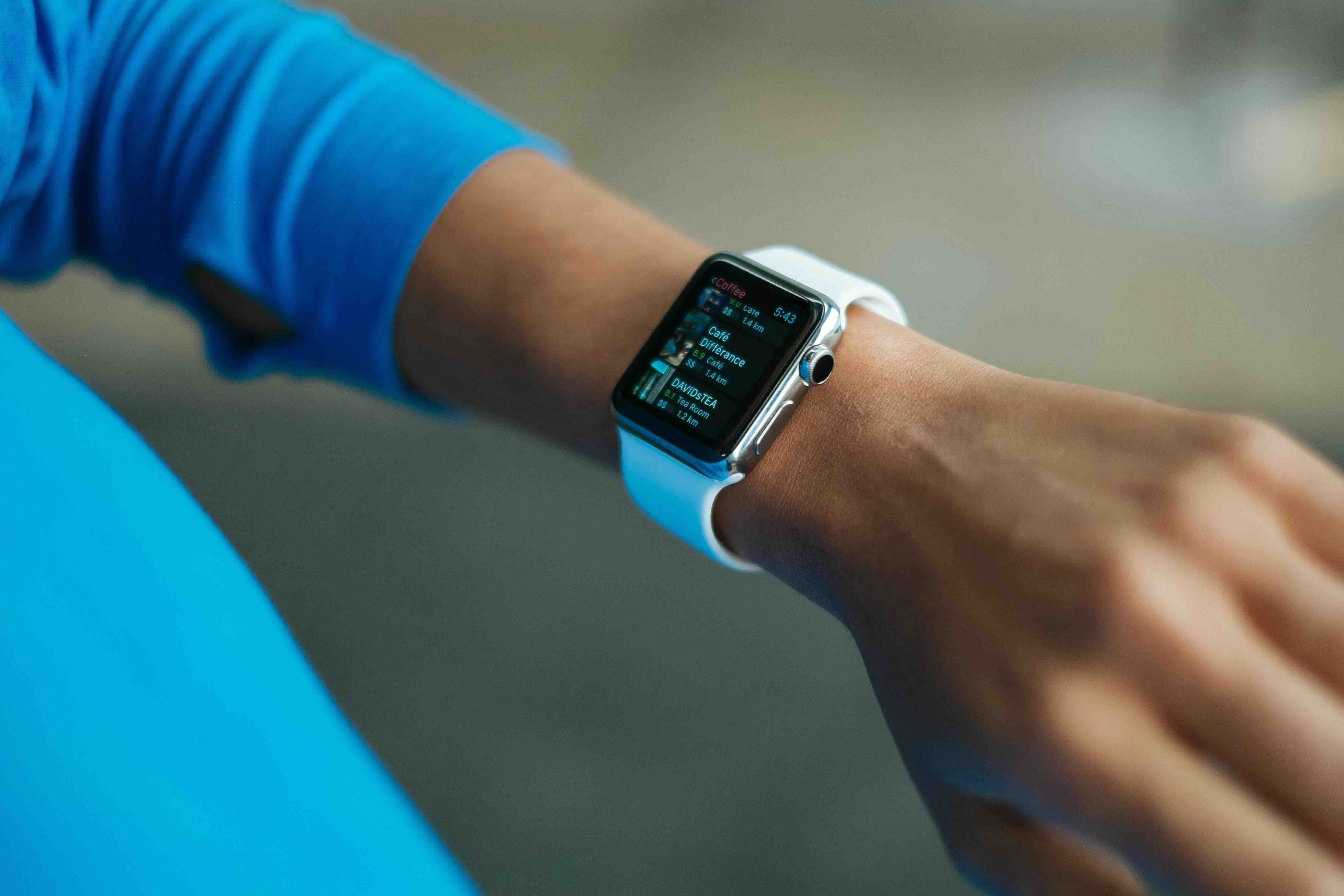
We hand over more and more pieces of ourselves to machines: memory, decisions, even relationships. What happens to our emotional intelligence when disconnecting seems impossible?
This is not a moralistic question. We are not here to demonise technology. But something is happening — and it is worth looking it in the face.
"Digital connection can imitate presence, but it cannot replace it. And the body knows the difference — even when the mind won't admit it."
Always connected, always elsewhere
The paradox of digital connection is that it lets us be everywhere — except here. While we have dinner with our family, our mind is at work. While we are in a meeting, we answer personal messages. While we wait for the bus, we scroll through an endless feed that doesn't nourish us.
This fragmentation of attention is not just a productivity problem. It is an emotional problem. Because emotions — ours and other people's — need presence. Not people who are physically there but whose minds are elsewhere.
What digital overexposure does to our emotional system
Research in neuroscience and clinical psychology is increasingly clear on this point. Prolonged exposure to screens — social media in particular — has documented effects:
- Reduced capacity for sustained attention and tolerance of boredom
- Higher levels of anxiety, especially in young adults
- Difficulty recognising and managing one's own and other people's emotions (reduced empathy)
- A distorted sense of time and reality
- Dependence on external feedback (likes, comments, views) as a measure of one's own worth
This last point is perhaps the most insidious. When our self-esteem depends on other people's response — and that response is quantified in numbers, in real time, 24/7 — the emotional system enters a state of chronic alert. It is not performance anxiety: it is the very structure of the platform that produces it.
It is not a question of willpower
Digital addiction is often talked about as an individual problem: "you should put your phone away", "you should have more discipline". This reading is partial and somewhat cruel.
Digital platforms are designed by teams of behavioural engineers whose explicit goal is to maximise usage time. They use variable reinforcement mechanisms — the same ones used in slot machines — to make scrolling compulsive. It is not a matter of character. It is a matter of design.
That said, there are choices we can make. Not to eliminate technology — but to regain control of our relationship with it.
Digital hygiene practices for emotional wellbeing
1. Define screen-free zones
The bedroom, family meals, the first and last 30 minutes of the day. Not as a punishment — as protection. These moments are among the most fertile for the emotional system: sleep, eating together and the transition between sleeping and waking are all states in which body and mind need an absence of external stimuli.
2. Replace, don't just remove
Digital addiction often fills a void: boredom, loneliness, anxiety, the need for connection. Before taking the screen away, ask yourself what you will put in its place. A book, a walk, a phone call, a moment of silence. The void is uncomfortable — but it is also where emotions come to the surface.
3. Practise presence as an active choice
Being present is not natural in an age of permanent distraction — it is an intentional act. Start with small moments: 10 minutes a day in which you do just one thing, completely. Walk without a podcast. Eat without a screen. Listen without preparing your reply.
Digital wellbeing as a dimension of emotional intelligence
Digital wellbeing is not a topic separate from emotional intelligence. It is one of its most urgent expressions.
Because the ability to regulate our relationship with technology requires exactly the same skills we train at EI YOU!: self-awareness, impulse management, the ability to stay with discomfort without running away, a sense of identity that does not depend on external validation.
It is not about becoming digital monks. It is about regaining our inner freedom — even in the age of algorithms.
Would you like to explore digital wellbeing in your training programmes or with your team? Let's talk.
Contact us →